Soccer Card Storage Mistakes That Kill Your Value
7 Soccer Card Storage Mistakes That Are Killing Your Investment
You spent $167 on a Kylian Mbappe Prizm Silver. You pulled a perfectly centered Vinicius Jr from a hobby box. Then you tossed them in a shoebox on your desk, and six months later the corners are soft, there is a humidity ring on the surface, and what could have been a PSA 10 is now barely a PSA 7.
It happens more often than collectors want to admit. Storage is the least glamorous part of the hobby, but it has a direct, measurable impact on card value. A single grade point drop — from PSA 10 to PSA 9 — can cut a card's value by 30–50%. Poor storage does not just risk grades; it risks real money.
Here are the seven most common storage mistakes we see in the soccer card community, along with exactly how to fix each one. For more on protecting cards you plan to submit for grading, see our complete 2026 grading guide.
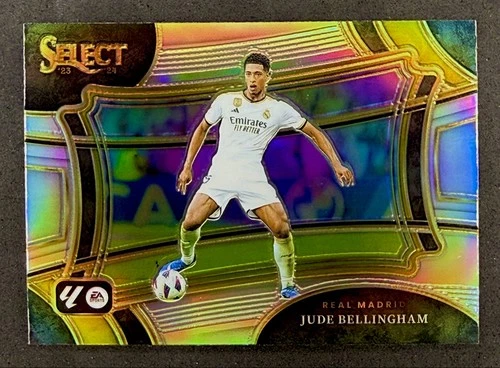
Mistake #1: Using the Wrong Sleeves (or No Sleeves at All)
This is the most fundamental storage error and the easiest to fix. Every raw card in your collection should be in a penny sleeve at minimum — a soft, clear polypropylene sleeve that costs literally one cent per unit when bought in bulk.
What goes wrong:
- Cards stored without sleeves rub against each other, creating surface micro-scratches that are invisible to the naked eye but clearly visible under a grader's loupe.
- PVC (vinyl) sleeves — common in cheap binder pages from the 1990s — release plasticizers over time that chemically bond to card surfaces, causing a cloudy residue that is impossible to remove. This is called "PVC damage" and it permanently destroys a card's surface grade.
- Oversized sleeves allow the card to shift and slam against the sleeve edges during handling, creating edge dings.
The fix: Use acid-free, PVC-free polypropylene penny sleeves for all raw cards. Ultra Pro and BCW are the industry standards. For higher-value cards ($20+), add a second layer: penny sleeve first (opening on top), then a team bag or perfect-fit sleeve around it. Total cost: about $4 per 100 sleeves.
Mistake #2: Stacking Cards Without Rigid Protection
A stack of sleeved cards in a cardboard box seems harmless until you realize that the bottom cards in that stack are bearing the weight of everything above them. Over weeks and months, this constant pressure softens corners and creates subtle bowing that graders detect immediately.
What goes wrong:
- Corner compression from weight (even 20–30 cards stacked creates enough pressure to damage bottom cards over months)
- Bowing/warping from uneven pressure distribution
- Cards shifting within the stack and rubbing edges together
The fix: Use toploaders or Card Saver semi-rigids for any card worth $5+. Store toploaded cards vertically in a toploader box with a snug fit so cards do not lean or fall sideways. For grading submissions, always use Card Saver I holders — PSA specifically requests them, and they prevent the surface pressure marks that hard toploaders can cause.
Mistake #3: Ignoring Humidity
Humidity is the silent killer of trading card collections. Soccer cards use layered cardboard stock with adhesive-bonded foil layers (especially Prizm and Chrome refractors). Moisture infiltrates between these layers and causes:
- Warping: The card bows because different layers absorb moisture at different rates.
- Surface bubbling: On foil/refractor cards, moisture between the foil and cardboard layers creates tiny bubbles visible under magnification.
- Edge separation: The layers of the card stock begin to delaminate at the edges, creating a "fuzzy" edge appearance that destroys the edge grade.
- Mold and foxing: In extreme cases, mold spots appear as brown dots on the card surface. This is irreversible.
Ideal conditions: 40–50% relative humidity, 65–72°F (18–22°C). Use a digital hygrometer ($10–$15) in your storage area to monitor conditions. If humidity consistently exceeds 55%, add silica gel desiccant packets to your card storage boxes — a 10-pack costs about $8 and each packet lasts 1–2 months before needing replacement or recharging.
Mistake #4: Storing Cards in Direct Sunlight
UV light fades card surfaces, and it happens faster than most people realize. A card displayed on a windowsill or desk that catches afternoon sun can show visible fading within 2–3 months. The damage is most apparent on:
- Red and yellow inks (first to fade)
- Chrome and refractor finishes (lose their shimmer and develop a milky appearance)
- Card backs (the colored borders and text fade, which graders evaluate)
The fix: Display cards in UV-protected cases if they must be in lit areas. For long-term storage, keep cards in opaque boxes in closets or cabinets, away from windows. Even fluorescent overhead lighting can cause gradual fading over years — if you have a high-value display, use LED lighting on a timer rather than leaving cards illuminated 24/7.
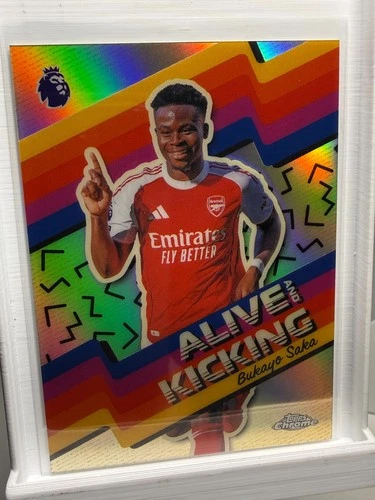
Mistake #5: Mixing Materials in Storage
This is a subtle mistake that even experienced collectors make. Different storage materials can chemically interact with cards over time:
- Rubber bands around toploaders: Rubber degrades and releases sulfur compounds that yellow card surfaces. Never use rubber bands on anything card-related.
- Newspaper or printed paper as padding: Ink transfers from newsprint to card surfaces on contact. Use acid-free tissue paper instead.
- Painter's tape or masking tape on toploaders: Adhesive residue migrates in warm conditions and can reach the card inside. Use blue painter's tape only as a last resort, and never in warm storage environments.
- Cardboard boxes from non-archival sources: Shoe boxes, shipping boxes, and other commercial cardboard contain acids that off-gas and yellow cards over time. Use purpose-built card storage boxes made from acid-free materials.
The fix: Stick to known-safe materials: polypropylene sleeves, polypropylene toploaders, acid-free cardboard storage boxes, and silica gel for moisture control. If in doubt about a material, do not let it touch your cards.
Mistake #6: Loose Toploaders (The Rattling Collection)
Toploaders protect cards from bending and corner damage, but a card that is loose inside a toploader is almost worse than no protection at all. The card slides up and down with every movement, and the rigid toploader edges act like miniature guillotines on the card's edges and corners.
What goes wrong:
- Cards slide to the open end of the toploader and the exposed edge gets dinged
- Corner wear from repeated impact against the inside corners of the toploader
- Edge wear from the card rattling side to side within the toploader
The fix: Always sleeve the card in a penny sleeve before inserting into a toploader. The penny sleeve adds just enough thickness for a snug fit. For extra security on cards worth $50+, seal the toploader opening with a piece of blue painter's tape or use a toploader sleeve that slides over the entire toploader. Store loaded toploaders vertically, not flat, to minimize movement.
Mistake #7: No Inventory System
This is not a physical storage mistake, but it leads to physical storage problems. When you do not know what you have or where it is, you end up:
- Handling cards repeatedly while searching for specific ones (each handling event is a damage opportunity)
- Buying duplicates because you forgot you already own a card
- Failing to insure high-value cards because you do not have a current valuation
- Missing optimal selling windows because you do not realize which cards have spiked in value
The fix: Maintain a simple spreadsheet or use a collection tracking app. At minimum, record: card name, set, parallel, condition estimate, purchase price, current toploader/box location, and last estimated value. Update values quarterly using tools like CardPriceIQ to track real market prices. For collections worth $5,000+, photograph every card and store images in the cloud as insurance documentation.
How Condition Affects Value: Real Numbers
To illustrate the financial stakes of proper storage, here is how condition grade impacts sale price for the Messi 2026 Prizm Silver across different grades:
| Grade | Estimated Value | % of PSA 10 Value |
|---|---|---|
| Raw (mint) | $246 | 49% |
| PSA 10 | $500+ | 100% |
| PSA 9 | $310 | 62% |
| PSA 8 | $200 | 40% |
| PSA 7 | $140 | 28% |
| PSA 6 or below | $80–$100 | 16–20% |
The difference between a PSA 10 and a PSA 7 — easily caused by poor storage — is $360+ on a single card. Multiply that across a collection of 20–30 high-value cards, and storage mistakes can cost thousands of dollars.
The $50 Storage Setup That Protects Everything
You do not need to spend hundreds of dollars on archival-grade storage. Here is a complete setup for under $50 that will properly protect a collection of up to 500 cards:
- Penny sleeves (500 pack): $4 — Ultra Pro or BCW, acid-free polypropylene
- Toploaders (100 pack, 35pt): $10 — standard thickness for most soccer cards
- Card Saver I semi-rigids (50 pack): $8 — for grading candidates
- BCW 3-row storage box (2 pack): $8 — acid-free, holds 800 sleeved cards each
- Toploader storage box: $6 — holds 100+ loaded toploaders vertically
- Silica gel packets (10 pack): $8 — moisture control for storage boxes
- Digital hygrometer: $10 — monitor humidity in your storage area
Total: ~$54. This setup properly protects cards worth thousands of dollars. The ROI on proper storage supplies is effectively infinite — you are spending $54 to prevent hundreds or thousands in condition-related value loss.
Frequently Asked Questions
Do magnetic one-touch holders damage cards?
Not directly, but they have two risks. First, the magnet can create a subtle pressure point on the card surface over years, which some graders detect as a "pressure mark." Second, one-touch holders with UV protection are significantly more expensive than toploaders. Use them for display pieces, but for long-term storage of cards you plan to grade, Card Saver I holders are the safer and cheaper choice.
Is it safe to store cards in a binder?
Only if you use modern, PVC-free binder pages (side-loading, polypropylene). Old-style top-loading vinyl pages are the number one cause of PVC damage in the hobby. Even with safe pages, binder storage has risks: overstuffed binders cause ring indentations, and cards can shift and bend when the binder is moved. For anything worth $20+, individual toploader storage is superior.
How often should I check my stored cards?
Quarterly inspections are sufficient for most collections. Check humidity levels monthly if you live in a humid climate. During inspections, look for signs of warping (hold cards at eye level against a flat surface), yellowing on card backs, and any moisture intrusion in storage boxes. Keep handling to a minimum — every time you take a card out is a damage opportunity.
Should I store raw cards and graded slabs differently?
Yes. Raw cards need individual protection (sleeve + toploader or Card Saver). Graded slabs are already protected by the case, but store them vertically in slab boxes with dividers to prevent slabs from rubbing against each other (which scratches the case and reduces the slab's resale appeal). Never stack graded slabs flat — the weight can crack lower cases. For more on post-grading storage, see our comprehensive grading guide.
Can damaged cards from poor storage be restored?
Minor warping from humidity can sometimes be corrected by placing the card between heavy books with silica gel packets for several days. However, surface damage (scratches, PVC residue, fading, mold) is permanent and cannot be reversed. The card hobby has no equivalent of art restoration — once surface condition is lost, it is gone. Prevention through proper storage is the only reliable strategy. If you are deciding which cards are worth investing in proper protection, our Prizm grading value guide can help you prioritize.
Track real-time soccer card prices on CardPriceIQ → View Prices