Soccer Card Grading Guide 2026: PSA, BGS & CGC
Soccer Card Grading Guide 2026: PSA vs BGS vs CGC Explained
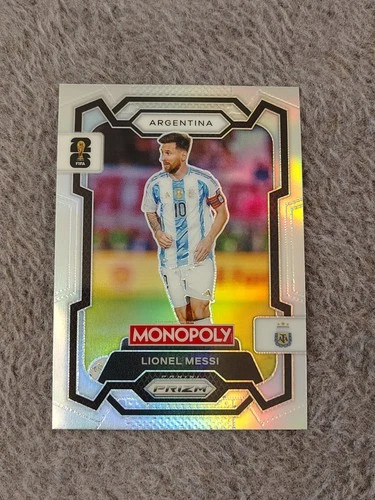
Professional grading has become the single biggest value multiplier in the soccer card hobby. A raw 2026 Panini Prizm Silver Lionel Messi sells for roughly $246 on eBay — but a PSA 10 copy regularly clears $500 or more. That premium exists because graded cards provide buyers with guaranteed authenticity and a standardized condition assessment, removing uncertainty from high-value transactions.
This comprehensive guide covers everything a soccer card collector needs to know about grading in 2026: which company to choose, what it costs, how to prepare your cards, and whether the math actually works in your favor. We use real eBay sold data tracked by CardPriceIQ to ground every recommendation in actual market numbers.
Why Grade Soccer Cards?
Grading serves three core purposes that directly impact your collection's value and liquidity:
- Authentication. Counterfeit soccer cards have surged alongside rising prices. A graded slab from PSA, BGS, or CGC confirms the card is genuine — critical for cards worth $100+.
- Condition standardization. "Near mint" means different things to different sellers. A numeric grade on a 1-10 scale creates a universal language that buyers trust, especially on eBay and PWCC where they cannot physically inspect the card before buying.
- Value premium. The price gap between raw and graded is where the money is. Across soccer cards tracked on CardPriceIQ, PSA 10 copies consistently sell for 1.5x to 3x the raw price, depending on the card's base value and population count.
- Physical protection. The tamper-evident slab itself is the best long-term storage solution available. It protects against edge wear, surface scratches, humidity, and UV exposure — all threats that degrade raw cards over time.
When Is Grading Worth It? A Cost-Benefit Framework
Not every card should be graded. The decision comes down to simple math: does the expected price uplift after grading exceed the total cost of the submission? Here is how to run the numbers.
The Grading ROI Formula
Expected profit = (Estimated graded sale price × Probability of target grade) − Raw value − Grading fee − Shipping costs
Let's apply this to real cards from our database:
| Card | Raw Avg | PSA 10 Est. | Grading Cost | Net Uplift | Worth It? |
|---|---|---|---|---|---|
| Messi Prizm Silver | $246 | $500+ | $50–$75 | +$175–$200 | Yes |
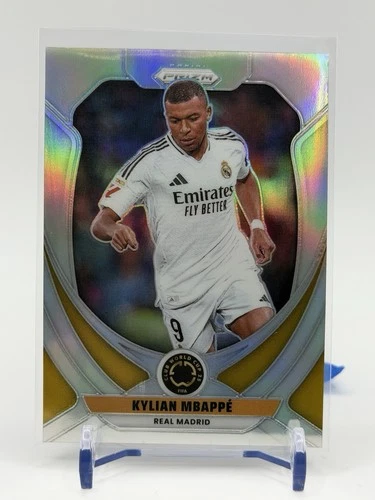
| Mbappe Prizm Silver | $167 | $350+ | $50–$75 | +$108–$133 | Yes |
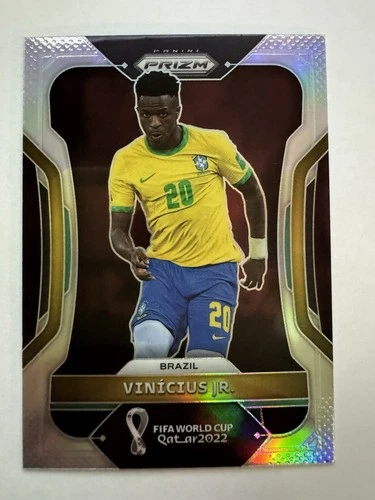
| Vinicius Jr Prizm Silver | $142 | $280+ | $50–$75 | +$63–$88 | Yes |
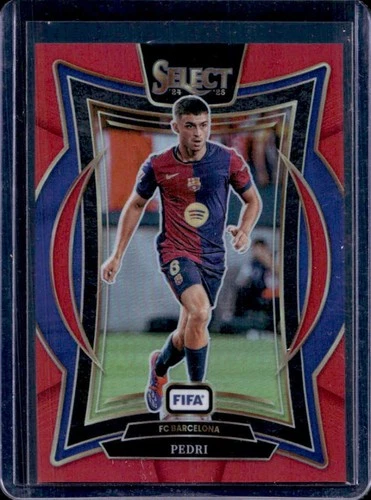
| Pedri Select Base | $80 | $150+ | $35–$50 | +$20–$35 | Marginal |
| Bellingham Prizm Silver | $12 | $25–$30 | $25–$35 | -$5 to -$17 | No |
| Haaland Topps Chrome | $11 | $22–$28 | $25–$35 | -$8 to -$18 | No |
The general rule: grading makes financial sense when the raw card is worth at least $75–$100 and you have strong reason to believe it will earn a 9 or 10. For cards under $50 raw, the grading fee alone can eat the entire potential uplift — and you risk getting a grade below 9 that actually depresses the card's perceived value compared to selling it raw.
When to Grade Anyway (Even Low-Value Cards)
There are legitimate non-financial reasons to grade sub-$50 cards:
- Personal collection slabs. If a $12 Bellingham Prizm Silver is the centerpiece of your collection, the $25–$35 grading fee is worth it for the protection and display quality.
- Long-term holds. If you believe a young player like Jude Bellingham will appreciate significantly, grading now at lower service tiers locks in condition documentation at today's cheaper submission price.
- Bulk submissions. PSA and BGS offer bulk rates starting around $18–$22 per card. At those prices, the break-even drops considerably.
PSA vs BGS vs CGC for Soccer Cards
The three major grading companies each serve different segments of the soccer card market. Here is what matters for your submission decision.
PSA (Professional Sports Authenticator)
PSA dominates the soccer card market with an estimated 70–75% market share for graded soccer cards on eBay. Their 1-10 scale is the most widely recognized, and PSA 10 (Gem Mint) commands the highest premiums across virtually every soccer card category.
- Pros: Highest resale premiums, largest buyer pool, most liquid slabs on the secondary market, clean label design.
- Cons: Longest turnaround times at economy tiers (60–90 business days in Q1 2026), perceived as slightly more lenient on centering than BGS, population reports can be inflated by resubmissions.
- Best for: Any card you plan to sell. The PSA premium on soccer cards is real and consistent.
BGS (Beckett Grading Services)
BGS uses a unique subgrade system — Surface, Corners, Edges, Centering — each scored on a 0.5-increment scale. A BGS 9.5 (Gem Mint) with all four subgrades at 9.5+ is called a "Quad" and competes with PSA 10 pricing. The elusive BGS 10 (Pristine) can exceed PSA 10 values on high-end cards.
- Pros: Subgrade transparency, BGS 10 Black Label commands massive premiums, stricter centering standards, respected by serious collectors.
- Cons: Smaller buyer pool than PSA for soccer-specific cards, BGS 9 trades below PSA 9 in most cases, the labeling is visually busier.
- Best for: Cards you believe are truly flawless (potential BGS 10), personal collection pieces where subgrade detail matters, and the basketball/baseball crossover collector audience.
CGC (Certified Guaranty Company)
CGC entered the trading card market in 2020 and has steadily gained share. Their pricing undercuts PSA and BGS at most tiers, and turnaround times are typically faster.
- Pros: Lower fees ($15–$30 for economy), faster turnaround (30–45 business days), inner well holder provides excellent protection, growing acceptance.
- Cons: CGC 10 sells for 10–25% less than PSA 10 on most soccer cards, smaller market recognition in the soccer hobby specifically, harder to move in overseas markets (EU, Japan).
- Best for: Budget-conscious grading, mid-value cards ($30–$80 raw) where PSA fees eat too much margin, and collectors who prioritize turnaround speed.
Head-to-Head Comparison Table
| Feature | PSA | BGS | CGC |
|---|---|---|---|
| Market share (soccer) | ~70% | ~18% | ~12% |
| Top grade premium vs raw | 2x–3x | 2x–4x (BGS 10) | 1.5x–2.5x |
| Economy fee (2026) | $25–$35 | $22–$30 | $15–$25 |
| Economy turnaround | 60–90 days | 45–75 days | 30–45 days |
| Express (5-day) fee | $150 | $150 | $100 |
| Subgrades | No | Yes (4) | No |
| Best grade label | Gem Mint 10 | Pristine 10 Black | Gem Mint 10 |
| Resale liquidity | Highest | Medium | Growing |
Pre-Submission Checklist: Preparing Your Cards
Proper preparation before submission can be the difference between a PSA 9 and a PSA 10. Follow this checklist for every card:
1. Surface Inspection
Use a jeweler's loupe (10x–20x magnification) or a bright LED light at an angle to check for:
- Print dots or factory print lines (common on Prizm refractors)
- Surface scratches from pack insertion or rough handling
- Fingerprints or smudges (use cotton gloves when handling)
- Wax stains from pack residue
2. Centering Measurement
Centering is the most common reason soccer cards receive a 9 instead of a 10. Use a centering tool or ruler to measure border widths:
- PSA 10 threshold: 55/45 or better left-right AND top-bottom
- BGS 9.5 centering: 55/45 or better
- BGS 10 centering: 50/50 to 52/48 — essentially perfect
Panini Prizm is notorious for centering issues, especially on Silver and colored parallels. Check centering on both front and back — PSA evaluates both sides.
3. Corner and Edge Check
Examine all four corners under magnification. Even a tiny nick invisible to the naked eye can drop you from a 10 to a 9. Edges should be clean and free of chipping — common on foil/refractor cards pulled from tight packs.
4. Proper Card Handling
- Always use clean cotton or nitrile gloves
- Handle cards by edges only
- Sleeve in a penny sleeve (soft) first, then a semi-rigid card saver (Card Saver I for PSA, semi-rigid for BGS/CGC)
- Never use screw-down holders or magnetic cases for submission — these can cause surface pressure marks
2026 Grading Pricing & Turnaround Times
Grading fees have fluctuated significantly since the pandemic-era hobby boom. Here are the current 2026 service tiers:
PSA 2026 Pricing
| Service Level | Price Per Card | Max Declared Value | Turnaround |
|---|---|---|---|
| Value Bulk (20+ cards) | $22 | $499 | 90–120 days |
| Economy | $35 | $499 | 60–90 days |
| Regular | $75 | $1,499 | 30–45 days |
| Express | $150 | $4,999 | 5–10 days |
| Super Express | $300 | $9,999 | 2–3 days |
For a Messi Prizm Silver at $246 raw, the Regular tier ($75) with 30–45 day turnaround is the sweet spot — fast enough to capture current market conditions, and the declared value ceiling accommodates the expected graded price.
BGS 2026 Pricing
| Service Level | Price Per Card | Turnaround |
|---|---|---|
| Economy | $25 | 45–75 days |
| Standard | $50 | 20–30 days |
| Express | $150 | 5 days |
| Premium | $250 | 2 days |
CGC 2026 Pricing
| Service Level | Price Per Card | Turnaround |
|---|---|---|
| Economy | $18 | 30–45 days |
| Standard | $40 | 15–20 days |
| Express | $100 | 5 days |
Pro tip: Factor in shipping both ways. USPS Priority Mail insured runs $8–$15 each way domestically. For international submissions, FedEx or UPS with full insurance can add $30–$60 to the total cost — a meaningful consideration for cards under $100 raw.
After Grading: Display, Protection & Storage
Once your cards come back graded, proper storage ensures the slabs themselves remain in pristine condition — because yes, slab condition affects resale value too.
Display Options
- Slab stands. Acrylic stands ($3–$8 each) are the most popular display method. Look for stands with felt or rubber base pads to prevent slab scratching.
- Wall-mounted cases. UV-protected shadow boxes work well for 4–12 slabs. Keep them out of direct sunlight regardless of UV protection rating.
- Display frames. Companies like SlabFrame and GradedGuard make purpose-built frames that hold PSA, BGS, and CGC slabs securely.
Long-Term Storage
- Store graded slabs vertically (like books) in slab boxes with individual dividers
- Keep storage area at 65–72°F (18–22°C) with 40–50% relative humidity
- Avoid garages, attics, or basements where temperature swings are common
- Use silica gel packets in storage boxes as humidity buffers
- For high-value slabs ($500+), consider a fireproof safe or bank safe deposit box
For more on protecting your raw cards before grading, read our guide on 7 storage mistakes that destroy card value.
Frequently Asked Questions
How long does PSA grading take in 2026?
PSA economy service currently runs 60–90 business days. Their Value Bulk tier (20+ cards) takes 90–120 days but drops the per-card cost to $22. Express service (5–10 days) costs $150 per card. Plan your submissions around these timelines — if you want cards graded before the 2026 World Cup kicks off in June, submit by early April at the latest for Regular service.
Is it worth grading a $10–$20 soccer card?
Generally no, unless you are submitting in bulk at the lowest per-card rate. A $12 card that grades PSA 10 might sell for $25–$30, but after a $22 grading fee and $15 round-trip shipping, you have spent $37 to create $25–$30 in value. The math works better for personal collection pieces or long-term holds on young players like Bellingham or Saka whose values may grow significantly.
What happens if my card gets a low grade?
A grade below 8 can actually reduce a card's perceived value compared to selling it raw, because the slab now permanently documents the condition issues. Some collectors crack low-grade slabs and resell the card raw. However, you cannot "un-grade" a card — the slab removal process itself can cause damage. The best strategy is aggressive pre-screening before submission.
Can I resubmit a card for a higher grade?
Yes. PSA, BGS, and CGC all accept resubmissions. You crack the original slab, resleeve the card, and submit again. Success rates vary — PSA-to-PSA resubmission grade bumps happen roughly 15–20% of the time based on community data. It is most worth trying when a card received a 9 and you believe centering or surface was borderline.
Should I choose PSA or BGS for 2026 Panini Prizm soccer cards?
PSA for resale, BGS if you believe the card is truly flawless and want to chase a BGS 10 Black Label premium. For most collectors, PSA 10 is the target grade, and Prizm Silver parallels from the 2026 set are seeing the strongest PSA 10 premiums. Also see our Topps Chrome vs Prizm grading comparison for set-specific analysis.
Common Grading Mistakes to Avoid
Even experienced collectors make avoidable errors during the grading process. Here are the most costly mistakes and how to sidestep them:
Submitting Without Pre-Screening
The single most expensive mistake is submitting cards without thorough pre-screening. Every card that comes back as a PSA 8 instead of a PSA 10 represents wasted grading fees and a potentially lower perceived value than if you had sold it raw. Invest $15 in a jeweler's loupe and $10 in a centering tool before spending hundreds on grading fees. Pre-screening should eliminate at least 30–40% of the cards you initially considered submitting.
Choosing the Wrong Service Tier
Submitting a $50 raw card at the $150 Express tier is a guaranteed money loser, even with a PSA 10 result. Match your service tier to the card's value. As a rule of thumb, the grading fee should not exceed 30% of the card's raw value unless you are working with a time-sensitive selling window like the World Cup tournament period.
Ignoring Population Reports
Before submitting, check the PSA or BGS population report for the specific card. If there are already 500+ PSA 10 copies in circulation, the premium may be eroding due to supply saturation. Conversely, a card with only 10–20 PSA 10s and strong demand is a prime grading target. Population data is free on PSA's website and should be part of every pre-submission analysis.
Poor Packaging for Shipping
Cards can arrive at the grading company already damaged due to poor shipping preparation. Use Card Saver I holders (not hard toploaders, which can shift and damage cards in transit), wrap the Card Saver in a small piece of painter's tape to seal the opening, cushion with bubble wrap, and ship in a rigid mailer or small box. Insure the package for the total declared value of your submission.
International Grading Considerations
Soccer is a global sport, and many collectors submit cards from outside the United States. Here are key considerations for international submissions:
- PSA: Accepts international submissions directly or through authorized dealers in the UK, Japan, Australia, and several other countries. International shipping adds $30–$80 to the total cost, making it essential to only submit high-value cards from overseas.
- BGS: Beckett has submission centers in the US and accepts international mail, but turnaround times for international orders tend to run 10–20% longer than domestic.
- CGC: The most accessible option for European collectors, with submission centers in the US and partnerships with several European card shops that consolidate shipments.
For collectors in Europe, consolidation services (where a domestic US partner receives your cards, submits them, and ships the slabs back) can significantly reduce per-card shipping costs. Groups of 20+ cards make consolidation most cost-effective.
Grading Timeline Strategy for 2026 World Cup Cards
With the 2026 FIFA World Cup kicking off in June, timing your submissions is crucial for maximizing value:
- Submit by March 2026 (Regular tier): Cards submitted at Regular service ($75, 30–45 day turnaround) in early March should return by mid-to-late April, giving you time to list on eBay before tournament demand peaks.
- Submit by May 2026 (Express tier): If you missed the Regular window, Express service ($150, 5–10 days) can still get cards back in time for the tournament peak selling window in June and July.
- Post-tournament strategy: Cards of players who perform exceptionally well during the World Cup will spike in value. Submitting immediately after the tournament (July/August) at Economy tier catches the secondary demand wave when collectors have identified their targets.
The highest prices for soccer cards historically occur during the first two weeks of a major tournament. Plan your grading timeline backwards from that window. For storage tips while you wait for your cards to return, see our guide on avoiding storage mistakes.
Bottom Line: A Decision Framework
Here is the simplest way to decide whether to grade a soccer card in 2026:
- Is the card worth $75+ raw? If no, skip grading unless submitting in bulk or holding long-term.
- Does it look like a 9 or 10 candidate? Check centering, corners, surface, and edges under magnification. If any element is clearly below gem-mint standards, sell it raw.
- Which company? PSA for maximum resale value. CGC for budget submissions. BGS only if you are chasing Pristine 10.
- Which service tier? Match the tier's declared-value ceiling to your card's estimated graded value. Do not overpay for speed unless you have a time-sensitive selling window.
Track real-time soccer card prices and graded sale comparisons on CardPriceIQ to make data-driven grading decisions.
Track real-time soccer card prices on CardPriceIQ → View Prices