Fake Panini Prizm Cards: 7 Red Flags to Know
CardPriceIQ·April 28, 2026·9 min read read
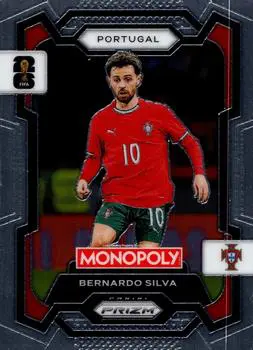
Fake Panini Prizm Cards: 7 Red Flags Every Collector Must Know
Panini Prizm is one of the most popular and most counterfeited trading card brands in 2026. The combination of high resale values, distinctive holographic patterns, and massive global collector demand makes Prizm the number-one target for counterfeiters. Whether you are hunting a World Cup Prizm Silver, a Gold parallel, or even a base card from a new release, knowing the specific signs of a fake before you spend your money is essential.
This guide covers seven specific red flags that separate genuine Panini Prizm cards from counterfeits. Each flag is drawn from analysis of confirmed fakes reported by grading services and experienced collectors through 2026. For a broader overview covering all brands and card types, read our complete fake card detection guide.
Red Flag #1: The Holographic Pattern Looks Wrong
The Prizm holographic effect is the signature feature of the entire product line and the most common failure point for counterfeits. Authentic Prizm cards display a smooth, fluid holographic shimmer that shifts uniformly as you tilt the card from left to right. The rainbow effect covers the entire card surface and transitions consistently — red to orange to yellow to green to blue — without jumps or gaps.
Fake Prizm cards frequently show one or more of these holographic defects:
- Static shimmer: The holographic pattern does not shift when tilting the card, or only changes at extreme angles rather than shifting fluidly through a normal tilt range.
- Uneven coverage: Some areas of the card appear more holographic than others, with visible edges or boundaries where the holographic layer starts and stops.
- Wrong color range: The holographic spectrum appears limited to only two or three colors instead of a full rainbow, or includes unusual tones like pink or brown that are not present on genuine cards.
- Grainy texture: Under magnification, the holographic layer has a sandpaper-like appearance rather than the smooth, mirror-like finish of authentic Prizm cards.
To test this, hold the card under a direct light source and tilt it slowly through a 90-degree arc. Authentic Prizm cards produce a smooth, cinema-like color shift. Counterfeits look choppy and unnatural by comparison.
Red Flag #2: Card Stock Feels Off
Panini uses proprietary card stock for Prizm products that is extremely difficult for counterfeiters to source. Genuine Prizm cards have a specific thickness (typically 24 to 26 points), a distinctive weight, and a characteristic flex behavior that experienced collectors describe as a firm "snap" when the card is gently bent and released.
Common card stock red flags include:
- Too thin or too thick: Compare the suspect card side by side against an authenticated Prizm card. A difference of even two points is noticeable to the touch, and a digital caliper costing under $15 makes this test precise.
- Limp flex: When you gently bend the card, it should resist slightly and snap back to flat. Counterfeits often feel limp, floppy, or overly stiff compared to the characteristic Prizm flex.
- Wrong core color: Look at the card edge under magnification. Authentic Prizm cards have a blue-gray core layer sandwiched between the printed surfaces. A white or yellowish core is a strong indicator of a counterfeit.
Red Flag #3: Print Quality Fails Under Magnification
This is where a $10 jeweler's loupe becomes your best friend. Under 10x to 30x magnification, authentic Panini Prizm cards reveal a precise rosette printing pattern — tiny dots arranged in circular formations that create the illusion of smooth color when viewed at normal distance.

Counterfeit Prizm cards fail the magnification test in predictable ways:
- Inkjet dot pattern: Instead of uniform rosettes, you see random, scattered dots of varying sizes — the telltale signature of a consumer inkjet printer.
- Visible banding: Horizontal or vertical lines appear across gradient areas, particularly in the background behind the player image.
- Fuzzy text: Player names, card numbers, and team text that look sharp to the naked eye reveal blurred or bleeding edges under the loupe.
- Color bleeding: Where two colors meet, the boundary should be clean and defined. Counterfeits frequently show one color bleeding slightly into the adjacent area.
Red Flag #4: Edge and Corner Quality Is Inconsistent
Panini uses precision die-cutting equipment that produces cards with extremely clean, smooth edges. Inspecting the edges of a suspected fake is one of the fastest authentication checks available.
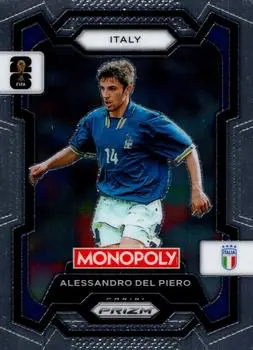
What to check on every card:
- Edge smoothness: Run your fingernail along each of the four edges. Genuine cards feel perfectly smooth with no roughness. Counterfeits may have paper fibers, micro-tears, or a slightly ragged feel.
- Corner radius: All four corners should have identical rounding. If one corner is more sharply rounded or more blunt than another, the card was likely cut by hand or with imprecise equipment.
- Edge layering: Viewed edge-on, you should see a thin three-layer sandwich: the printed front surface, a blue-gray core, and the printed back surface. A single homogeneous layer or a white core is a strong counterfeit indicator.
- Non-parallel borders: On genuine cards, even poorly centered ones, the opposite borders remain parallel. Hand-cut counterfeits often have borders that taper — wider at one end than the other.
Red Flag #5: Color Saturation Is Wrong
Color matching is extremely difficult for counterfeiters because Panini's printing process uses proprietary ink formulations calibrated specifically for their card stock. Side-by-side comparison with a known authentic card is the most reliable method, but even without a reference, certain color tells appear consistently across fake Prizm products.
- Over-saturated colors: Counterfeits often push colors too far — backgrounds that should be subtly muted appear electric or neon, making the card look unnaturally vivid.
- Skin tone issues: Player skin tones on fakes frequently skew too orange, too pink, or too gray. Consumer-grade printers consistently fail to match Panini's skin tone reproduction.
- Jersey color shift: Red jerseys appear neon-like, blue jerseys carry a purple tint, or white jerseys have a yellowish cast. These shifts are visible even without a reference card.
- Silver Prizm gray shift: The Silver Prizm parallel has a specific warm gray base tone. Counterfeits often shift this toward cool gray or bluish-silver, which is noticeable to collectors familiar with the product.
Red Flag #6: The Back of the Card Has Errors
Many counterfeiters focus their effort on the card front and neglect the back, making the reverse side one of the best places to spot a fake quickly. Key areas to examine include:
- Font discrepancies: Compare the fonts used for player stats, card number, and legal text against a known authentic card. Panini uses proprietary or licensed typefaces that counterfeiters rarely have access to.
- Alignment errors: Text and graphic elements on the back should be precisely centered and aligned. Misaligned text blocks or off-center logos are dead giveaways.
- Missing legal text: Authentic Panini cards include specific copyright notices, trademark symbols, and licensing text. Counterfeits may omit these entirely, abbreviate them, or use incorrect wording.
- Print quality gap: If the front looks sharp but the back appears noticeably lower quality, the card is suspicious. Authentic cards maintain consistent print quality on both sides.
Red Flag #7: The Price Is Too Good to Be True
Price remains the single best early warning system for counterfeits. Before purchasing any Prizm card worth more than $20, check the current market price on CardPriceIQ. If a card is listed at 40% or more below the average recent sold price with no clear explanation such as stated condition issues or damage, exercise extreme caution.
Also be wary of sellers offering multiple copies of high-value Prizm parallels at below-market prices. A new seller account with ten Gold Prizm cards all priced 30% under market is almost certainly dealing in counterfeits. Legitimate sellers rarely leave that much value on the table voluntarily.
Frequently Asked Questions
Are Panini Prizm base cards counterfeited?
Base cards are rarely counterfeited because the profit margin is too low to justify the effort. Counterfeiters focus on Silver Prizm, Gold Prizm, and numbered parallels where the price premium makes counterfeiting financially worthwhile. However, base cards can sometimes be used as blanks that are re-printed with a parallel finish, so always check holographic layer quality.
Can a fake Prizm card pass PSA or BGS grading?
It is extremely unlikely. Professional grading companies use advanced authentication equipment including UV lights, precision calipers, and high-powered microscopy. While no system is 100% perfect, the detection rate at major grading companies exceeds 99%. Always verify the certification number on the grading company's website to ensure the slab itself is not counterfeit.
What tools do I need to check for fake Prizm cards at home?
At minimum, you need a jeweler's loupe at 10x magnification (under $10) and a strong light source. For more thorough checks, add a digital caliper ($10 to $15) for measuring card stock thickness and a UV flashlight ($8 to $12) to reveal printing differences invisible under normal light. Total investment: under $35 for a comprehensive authentication toolkit.
How do I report a fake Prizm card purchased on eBay?
Open an Item Not As Described (INAD) case through eBay's resolution center. eBay buyer protection covers counterfeit goods, and you should receive a full refund including shipping. Additionally, use the Report Item link on the listing to flag the seller for other buyers. Document everything with photos before returning the card.
Are 2026 World Cup Prizm cards already being counterfeited?
Yes. World Cup Prizm cards are among the most counterfeited soccer card products due to massive global demand around the tournament. Key targets include Silver Prizm cards of star players like Mbappe, Haaland, and Yamal. All seven red flags described in this guide apply directly to World Cup Prizm products.
Know the Real Value Before You Buy
Checking market prices is your first defense against counterfeits. If a deal looks too good to be true, it probably is. Use CardPriceIQ to verify what authentic Prizm cards are actually selling for on the secondary market.