How to Spot Fake Trading Cards (2026 Guide)
CardPriceIQ·April 28, 2026·10 min read read
How to Spot Fake Trading Cards: The Complete Authentication Guide (2026)
Counterfeit trading cards have become a serious problem in 2026, with fakes flooding eBay listings and local card shows alike. Whether you collect soccer, basketball, or football cards, the ability to identify a fake before you buy is now an essential skill. This guide walks you through every authentication method available — from quick visual checks you can do at home to professional grading services that guarantee authenticity.

1. Visual Inspection: Your First Line of Defense
The majority of fake trading cards can be caught through careful visual examination. Counterfeiters often cut corners on printing technology, and these shortcuts leave detectable traces when you know what to look for.
Print Quality
Genuine cards from manufacturers like Panini and Topps are printed using high-resolution offset lithography. Under a loupe or magnifying glass (10x–30x), authentic cards show a consistent rosette dot pattern — tiny, evenly spaced dots arranged in a circular pattern. Counterfeits typically use inkjet or low-end digital printing, which produces visible banding, fuzzy text edges, or irregular dot patterns.
Key areas to inspect under magnification:
- Player name and card number text: Should be razor-sharp with no bleeding or fuzzy edges.
- Team logos: Fine details in logos (stitching patterns, small lettering) should be crisp. Fakes often lose detail in these areas.
- Background gradients: Look for smooth color transitions. Counterfeits may show banding (visible lines) in gradient areas.
Color Saturation and Accuracy
Compare the card against known authentic examples. Fakes frequently exhibit over-saturated or washed-out colors. The most common tell is skin tones — counterfeit cards often render player skin with an unnatural orange or pinkish cast. Team jersey colors may also shift noticeably, particularly reds (which tend to go too bright) and blues (which may appear purple).
Centering
While genuine cards do have centering variations (which is why PSA grades centering), extreme misalignment combined with other red flags is a strong indicator. Authentic centering issues are consistent — the borders shift but remain parallel. Fakes sometimes show non-parallel borders where one corner has a wider gap than the diagonally opposite corner, suggesting the card was cut by hand.
Font Clarity
Every card manufacturer uses proprietary or licensed fonts. Counterfeiters rarely have access to the exact typefaces. Compare the font weight, kerning (spacing between letters), and style of text on the card against verified authentic copies. Common tells include slightly thicker or thinner letter strokes and incorrect character spacing.
2. The Card Stock Test
Card stock is one of the hardest things for counterfeiters to replicate, making physical tests among the most reliable authentication methods.

Thickness and Weight
Professional trading cards have a specific thickness, typically measured in "points" (1 point = 1/1000 of an inch). Standard Panini Prizm cards measure approximately 24–26 pt, while Topps Chrome comes in at 22–24 pt. A digital caliper (available for under $15) can quickly identify cards that are too thin or too thick. Counterfeits tend to be slightly thinner because commercial card stock used by manufacturers is not available to the public.
Flexibility and Snap
Gently flex the card between your thumb and forefinger. Genuine cards have a characteristic "snap" — they spring back to flat quickly with a slight clicking sound. Counterfeit cards often feel limp or overly stiff. The core layer of authentic cards (usually a blue or gray middle layer visible on the edge) provides this specific flex behavior.
Surface Texture
Run your finger across the card surface. Authentic cards have a consistent texture specific to their finish — glossy cards feel uniformly smooth, while matte finishes have a subtle tooth. Fakes may feel waxy, overly slick, or have an inconsistent texture where some areas feel different from others.
The Light Test
Hold the card up to a bright light source. Authentic trading cards are opaque — you should not be able to see light through them. Many counterfeits are printed on thinner stock that allows light to pass through, particularly in darker image areas. If you can see the light source through the card at all, it is almost certainly a fake.
3. Holographic and Foil Features
Premium cards like Panini Prizm, Topps Chrome refractors, and insert sets with foil elements contain security features that are extremely difficult to counterfeit convincingly.
Refractor Patterns
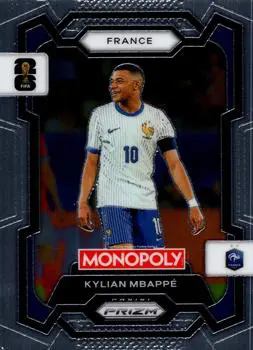
Authentic Prizm and Chrome refractors display a holographic pattern that shifts fluidly as you tilt the card. The pattern should cover the entire card surface uniformly. Fake refractors often have a pattern that appears static (doesn't shift), covers the card unevenly, or has a different angular range of color shift. The easiest test is tilting the card slowly from left to right — genuine refractors show a smooth rainbow progression, while fakes may jump between colors abruptly.
Foil Stamping
Many cards include foil-stamped logos, serial numbers, or decorative elements. Authentic foil stamping has clean, sharp edges and reflects light uniformly. Counterfeit foil often has rough edges, inconsistent reflectivity, or a slightly different color tone compared to genuine examples. Gold foil is particularly hard to replicate — fakes often appear too yellow or too orange.
Holographic Stickers
Some authenticated or special edition cards include holographic security stickers. These stickers contain micro-text, shifting images, and specific color sequences that are nearly impossible to replicate with consumer printing equipment. Always verify that the holographic sticker matches known genuine examples from the manufacturer.
4. Edge and Corner Analysis
The way a card is cut reveals a lot about its origin. Trading card manufacturers use precision die-cutting equipment that produces consistent results across millions of cards.
- Clean cuts: Authentic cards have perfectly smooth edges with no fraying, roughness, or visible paper fibers. Run your fingernail along the edge — it should feel completely smooth.
- Consistent corner radius: All four corners should have identical rounding. Measure the radius if possible — it should match across every card in the same product.
- Edge color: View the card from the side. Authentic cards show a thin white core sandwiched between colored front and back layers. Some counterfeits show a single-layer edge or an incorrect core color.
- No trimming marks: Trimmed cards (authentic cards cut down to improve centering) leave subtle differences in corner radius or edge smoothness that a careful examiner can detect.
5. Authentication Services: PSA, BGS, and CGC
When the stakes are high — cards worth $100 or more — professional authentication is worth the investment. Third-party grading companies examine cards using equipment and expertise beyond what most collectors have at home.
PSA (Professional Sports Authenticator) is the market leader with the largest database of authenticated cards. Their authentication-only service (no grading) starts at $20 per card, making it accessible for mid-range purchases. PSA-authenticated cards command a premium on the secondary market.
BGS (Beckett Grading Services) provides sub-grades for centering, corners, edges, and surface, giving buyers more detail about condition. Their authentication process is thorough, and BGS slabs are widely respected, particularly for high-end modern cards.
CGC (Certified Guaranty Company) entered the trading card space more recently and offers competitive pricing with faster turnaround times. Their growing acceptance in the market makes them a viable option, especially for collectors on a budget.
For a detailed comparison of these services, read our full breakdown: PSA vs BGS vs CGC: Which Grading Service Catches Fakes Best?
6. Online Purchase Verification
Buying cards online introduces additional risks since you cannot physically inspect the card before purchasing. Developing a strong verification process for online purchases is critical.
Photo Analysis
Request high-resolution photos of the front, back, and edges of the card. Look for all the visual indicators discussed in sections 1 through 4. Be suspicious of listings that use stock photos or only show low-resolution images. A seller who refuses to provide detailed photos upon request is a significant red flag.
Seller Vetting
Check the seller's feedback history, account age, and return policy. Established sellers with hundreds of positive reviews and a clear return policy are far safer than new accounts or those with no-return policies. Learn more about verifying card authenticity on eBay and protecting yourself from common eBay trading card scams in 2026.
Price Comparison
If a deal seems too good to be true, it probably is. Use tools like CardPriceIQ to check current market prices for a card. If someone is selling a card at 40% or more below market value with no explanation (like condition issues), proceed with extreme caution.
7. Specific Sets to Watch
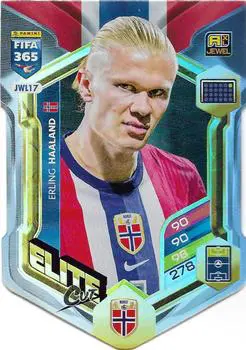
Certain card sets are counterfeited far more frequently than others due to their high market value and recognizable designs. In 2026, the most targeted sets include Panini Prizm (particularly Silver and Gold parallels), Topps Chrome refractors, and World Cup cards featuring stars like Mbappé, Haaland, and Yamal. For a detailed breakdown of which cards are most at risk, see our guide to the most counterfeited soccer cards in 2026.
Panini Prizm cards deserve special attention due to their holographic features — we have identified 7 specific red flags for fake Panini Prizm cards that every collector should memorize before making a purchase.
Frequently Asked Questions
How can I tell if a trading card is fake without tools?
Start with the light test — hold the card up to a bright light. Authentic cards are completely opaque. Then check the surface texture by running your finger across it (should be uniform), flex the card gently (should snap back crisply), and compare colors against photos of verified authentic copies. These four tests catch the majority of counterfeits without any equipment.
Are graded cards guaranteed to be authentic?
Cards graded by PSA, BGS, or CGC have been professionally authenticated, so the risk of a fake slipping through is extremely low. However, counterfeit grading slabs do exist. Always verify the certification number on the grading company's website. If the number doesn't match or doesn't exist, the slab itself is a fake.
What is the most commonly counterfeited type of trading card?
High-value parallels and refractors are counterfeited most frequently because they command significant premiums over base cards. Panini Prizm Silver and Gold parallels, Topps Chrome refractors, and numbered cards (/25, /10, /5) are the primary targets. Base cards are rarely counterfeited because the profit margin is too low to justify the effort.
Should I get every expensive card authenticated?
As a general rule, any card worth $75 or more is worth professional authentication, especially if you plan to sell it. The cost of authentication ($20–$50) is a small insurance premium on a high-value asset. For cards under $75, the visual and physical tests described in this guide should provide sufficient confidence.
How much do counterfeits affect card market prices?
Counterfeit cards can suppress prices for raw (ungraded) cards by introducing buyer uncertainty. Markets where fakes are prevalent tend to see larger discounts on raw cards versus graded copies, because buyers factor in the risk of receiving a fake. This is one reason the premium for graded cards has increased in 2026.
Track Authentic Card Prices
Stay ahead of the market by tracking real prices for authenticated soccer cards. CardPriceIQ aggregates eBay sold data so you always know the fair market value before you buy.