Most Counterfeited Soccer Cards in 2026
CardPriceIQ·April 28, 2026·9 min read read
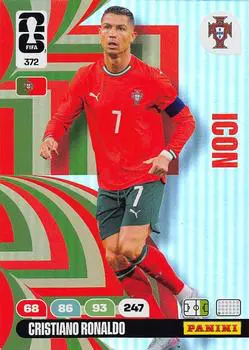
The Most Counterfeited Soccer Cards in 2026: What Collectors Need to Know
Not all soccer cards face equal counterfeiting risk. The cards that attract counterfeiters share specific characteristics: high market value, strong collector demand, recognizable brand features that are difficult to replicate perfectly, and enough market volume that fakes can blend into legitimate sales. Understanding which cards are most targeted helps you focus your authentication efforts where they matter most.
This guide ranks the most counterfeited soccer card categories and individual products in 2026 based on reports from grading services, collector communities, and marketplace enforcement actions. For detailed authentication techniques, see our guide on how to spot fake trading cards. For Prizm-specific checks, learn the specific signs of fake Prizm cards.
Why Certain Cards Get Counterfeited
Before examining specific products, it helps to understand the four factors that make a card attractive to counterfeiters:
- Market value: Cards worth $50 or more in raw condition offer enough margin for counterfeiters to profit even after production costs. The higher the value, the more sophisticated the counterfeiting effort.
- Demand volume: Cards that sell frequently on eBay provide cover for fake listings. A card with 20 active listings is harder to police than one with 2 listings.
- Visual complexity: Holographic, refractor, and foil features are both a deterrent (they are hard to replicate perfectly) and an attractor (they justify premium prices that increase counterfeiting profit margins).
- Brand recognition: Products with strong brand identity (Prizm, Chrome, Select) are counterfeited more because buyers trust the brand and may examine individual cards less critically.
#1: Panini Prizm Silver Parallels
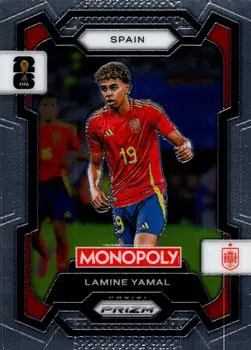
Panini Prizm Silver is the single most counterfeited soccer card product in 2026. The reasons are clear: Silver Prizm cards command 5x to 20x premiums over base cards, the Prizm brand is universally recognized, and the holographic Silver pattern is the most commonly replicated feature in the counterfeit market.
Risk level: Very High
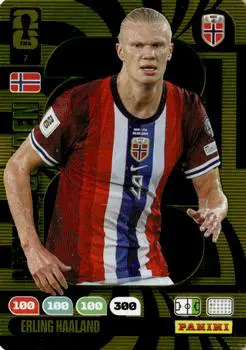
Most targeted players: Kylian Mbappe, Erling Haaland, Lamine Yamal, Jude Bellingham, Vinicius Jr.
What to check: The holographic pattern is the primary authentication point. Genuine Silver Prizm cards display a smooth, fluid rainbow shift when tilted. Counterfeits typically show a static, choppy, or limited-color holographic effect. Also check card stock thickness (24 to 26 points for authentic Prizm) and the blue-gray core layer visible on the card edge.
#2: Panini Prizm Gold Parallels (/10)
Gold Prizm parallels numbered to 10 combine extreme scarcity with market values often exceeding $500 for star players. The profit incentive for counterfeiting a single Gold Prizm is substantial, and the low print run means fewer authentic examples exist for buyers to compare against.
Risk level: Very High
Most targeted players: Mbappe, Haaland, Yamal, Bellingham
What to check: Serial numbering is critical — verify the number is hand-stamped or printed in the correct style for the product year. Gold Prizm has a distinct gold-tinted holographic pattern different from Silver. The card stock and edges should match other cards from the same product. For cards at this value, professional authentication through PSA, BGS, or CGC is strongly recommended.
#3: Topps Chrome Refractors
Topps Chrome refractors are the second most counterfeited soccer card brand after Prizm. The Chrome refractor finish produces a distinctive light-splitting effect that counterfeiters attempt to replicate using holographic overlay films or metallic printing processes. These replicas can look convincing in photos but fail under physical inspection.
Risk level: High
Most targeted players: Haaland, Bellingham, Yamal, Pedri, Bukayo Saka
What to check: Genuine Chrome refractors have an integrated holographic layer that is part of the card stock, not a separate film applied on top. Run your finger across the surface — authentic Chrome should feel smooth and uniform. If you detect a raised edge or film boundary, the card likely has an applied holographic overlay. Under magnification, the refractor pattern should be fine and uniform with no visible grain.
#4: 2026 FIFA World Cup Cards (All Brands)
The 2026 FIFA World Cup has created a surge in counterfeiting activity across all card brands. World Cup cards are counterfeited at higher rates than non-World Cup products for the same brands because global tournament demand pulls in casual buyers who may lack authentication experience.
Risk level: High
Most targeted products: Panini Prizm World Cup, Panini Adrenalyn XL World Cup, Topps Match Attax World Cup
What to check: All standard authentication techniques apply. For World Cup Prizm specifically, the holographic and card stock checks are identical to regular Prizm products. For Adrenalyn XL and Match Attax, focus on print quality, card thickness, and the specific finish of each product line. Buy from established sellers with World Cup product sales history.
#5: Panini Select Parallels
Panini Select uses a multi-tier parallel system (Concourse, Premier Level, Field Level, plus color parallels) with distinct visual treatments for each tier. The complexity of the Select product line means there are many high-value parallel variations to counterfeit, and the tiered design features give counterfeiters multiple targets.
Risk level: Moderate to High
Most targeted parallels: Tie-Dye, Zebra, Neon Green, and other visually distinctive numbered parallels
What to check: Each Select tier level has a different card design and finish. Verify that the tier level, parallel color, and design elements match official product images. Numbered parallels should have serial numbers in the correct location, font, and stamping style for that specific product year.
#6: Topps Chrome UEFA Champions League
The Champions League Chrome product line is a growing target for counterfeiters as its market presence has expanded. Refractor parallels of star players from top European clubs command strong premiums, making them attractive targets.
Risk level: Moderate
Most targeted players: Mbappe, Haaland, Bellingham, Yamal, Vinicius Jr.
What to check: Same refractor checks as Topps Chrome — verify the holographic layer is integrated, not applied. Check print quality under magnification for the rosette pattern. Compare card stock thickness against authentic examples.
#7: Autograph and Patch Cards (All Brands)
Autograph cards present a unique counterfeiting challenge because they involve two authentication points: the card itself and the signature. Some counterfeiters apply fake autographs to genuine base cards, while others produce entirely fake autograph cards. Game-used patch cards add another layer of complexity, as the patch material itself can be substituted.
Risk level: Moderate to High (depends on player and value)
What to check: Compare the autograph style against known authentic signatures for the player (grading company databases often have reference images). For patch cards, the material should appear consistent with game-worn jerseys for that team and era. Professional authentication is strongly recommended for any autograph or patch card valued above $100.
#8: Panini Immaculate and National Treasures
These ultra-premium products (boxes retail for $500 to $2,000+) contain cards worth thousands of dollars individually. The extreme value makes counterfeiting highly profitable even for small quantities. Counterfeiters target the most valuable cards from these sets, particularly autograph patch cards of top players.
Risk level: Moderate (lower volume due to high production cost, but high impact per fake)
What to check: Premium products use distinctive thick card stock, specific patch window construction, and on-card autographs. Verify that the card construction matches official product images, check the autograph against reference examples, and always verify serial numbers on numbered parallels. For cards at this price point, buying only graded or authenticated copies is the safest approach.
Players Most Targeted by Counterfeiters
Based on reports from grading services and collector communities, these players have the highest counterfeiting rates for their cards in 2026:
- Kylian Mbappe: Consistently the most counterfeited soccer player cards across all brands and products.
- Erling Haaland: Second most targeted, with particularly high fake rates for Prizm and Chrome products.
- Lamine Yamal: Rising rapidly in counterfeiting activity as his card values increase heading into the World Cup.
- Jude Bellingham: Strong and consistent demand across all products makes his cards a reliable counterfeiting target.
- Vinicius Jr.: High-value parallels are frequently counterfeited, particularly from Prizm and Select.
- Lionel Messi: Legacy demand keeps Messi cards targeted even as newer players rise in value.
- Cristiano Ronaldo: Similar to Messi, legacy collector demand maintains a market for fake Ronaldo cards.
How to Protect Your Collection
Given the breadth of counterfeiting in the 2026 soccer card market, here are the most impactful actions you can take:
- Use price comparison: Check CardPriceIQ before any purchase over $20 to verify the listing price is within normal market range.
- Buy graded for high value: For any card worth $100 or more, buying an authenticated and graded copy from PSA, BGS, or CGC eliminates most counterfeiting risk.
- Verify cert numbers: When buying graded cards, always verify the certification number on the grading company's website before purchasing.
- Build authentication skills: Learn the physical authentication techniques (card stock, print quality, holographic patterns, edge analysis) from our comprehensive guides.
- Buy from trusted sellers: Establish relationships with reputable dealers and use platforms with buyer protection.
Frequently Asked Questions
Are base cards worth counterfeiting?
Base cards are rarely counterfeited because the profit margin is too low. Counterfeiters focus on parallels, refractors, autographs, and numbered cards where the value premium justifies the production cost. However, base cards from ultra-premium products (Immaculate, National Treasures) may occasionally be counterfeited due to their higher base value.
Which brand is safest from counterfeiting?
No brand is completely immune, but products with lower market values and less brand recognition face less counterfeiting pressure. Niche brands and lower-tier products are counterfeited far less frequently than Prizm, Chrome, and Select. However, buying from a less popular brand does not eliminate risk entirely — it just reduces it.
Does buying sealed product protect against counterfeits?
Sealed product from authorized dealers is generally safe. However, resealed and repackaged product fraud is a separate concern. If buying sealed product on the secondary market, verify the seal integrity and buy from established sellers with verified authorized dealer status.
How quickly do counterfeiters target new releases?
Counterfeit versions of major releases (Prizm, Chrome) typically appear within 2 to 4 weeks of the product's official release date. The first wave of counterfeits is usually lower quality and easier to detect. Subsequent waves become more sophisticated as counterfeiters refine their processes based on the authentic product.
Will counterfeiting get worse in 2026 because of the World Cup?
Yes. Every FIFA World Cup cycle brings a surge in soccer card counterfeiting because the tournament dramatically expands the buyer pool. Many World Cup buyers are casual collectors who may not have the experience to detect fakes, creating a larger pool of potential victims. Counterfeiting activity is expected to peak during and immediately after the tournament.
Track Real Market Values
Knowing the fair market value of a card is your first defense against counterfeits and scams. If a price seems too good to be true, it usually is. CardPriceIQ tracks actual eBay sold data so you can verify prices before buying.